
Klonopin Rehab
Klonopin Addiction Treatment Programs
Klonopin addiction treatment gives people who have become dependent on this prescription benzodiazepine a safe, structured path away from the drug’s grip. Klonopin (clonazepam) is prescribed for anxiety, panic disorder, and seizures, but regular use lets the body adapt quickly, and what started as a prescribed dose can turn into a dependency that is dangerous to stop without medical support.
Lighthouse Behavioral Health Solutions offers medically supervised detox and treatment programs across Ohio, built around each person’s history with the medication and designed to manage withdrawal safely from day one.
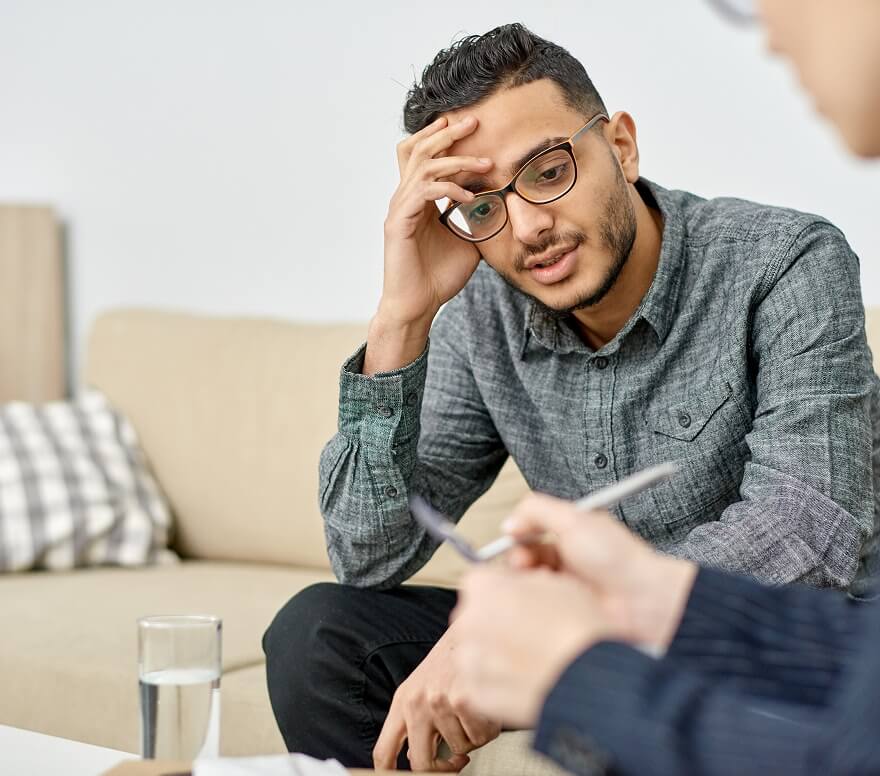
Effective Klonopin Addiction Treatment
Lighthouse Behavioral Health Solutions is a CARF-accredited and LegitScript-certified addiction treatment provider with locations across Central Ohio, from Lima to Columbus to Zanesville, and many other communities in between.
Because Klonopin is most often prescribed for anxiety and panic disorders, many people entering treatment are also managing the mental health condition the medication was originally meant to treat.
Lighthouse’s clinical team addresses both the physical dependency and any co-occurring anxiety, depression, or other mental health needs at the same time, rather than treating them as separate problems. Care is available in person or by telehealth through Lighthouse’s Navigate Teletherapy platform, so treatment can continue even when an in-person visit isn’t possible.
Klonopin Dependency and the Risks of Stopping on Your Own
Benzodiazepines like Klonopin slow activity in the central nervous system. Over weeks or months of regular use, the brain compensates by becoming more excitable, so suddenly stopping the medication can cause the nervous system to overcorrect.
According to AddictionCenter.com, abruptly stopping Klonopin can lead to life-threatening withdrawal symptoms, including seizures, and is not recommended without medical supervision.
Early withdrawal symptoms typically include:
- Headaches
- Nausea
- Muscle aches
- Racing heart
- Anxiety
- Insomnia
During the acute withdrawal window, usually within the first one to two weeks, seizure risk is highest. Some people go on to experience protracted or post-acute withdrawal, with intermittent anxiety, sleep disruption, and difficulty concentrating that can linger for weeks or months after the acute phase ends.
This is why benzodiazepine detox is handled differently than detox from many other substances. Instead of stopping the medication outright, the standard approach is a gradual, monitored taper, sometimes with a switch to a longer-acting benzodiazepine to make the reduction smoother, so the dose can be lowered in small, controlled steps over time.
Lighthouse Klonopin Rehab Programs
Lighthouse’s Klonopin rehab programs are structured around the level of medical support each stage of recovery requires.
Medically Supervised Detox: Residential Withdrawal Management
The first stage of care takes place under 24/7 medical supervision. Clinical staff monitor vital signs and withdrawal symptoms around the clock, adjust the tapering schedule as needed, and manage complications like seizure risk or severe anxiety as they arise. Because the dose reduction is gradual, this stage can take longer than detox from some other substances. It’s not something to rush.
Partial Hospitalization Program (PHP)
Once the acute withdrawal phase has passed, PHP provides structured treatment for 20 or more hours a week while allowing clients to return home or to Lighthouse’s recovery housing in the evenings.
Intensive Outpatient and Outpatient Rehab
As stability builds, care steps down to an Intensive Outpatient Program, typically 9 to 19 hours a week, and eventually to standard outpatient support. This phased approach lets treatment intensity track a person’s progress instead of applying a single fixed schedule to everyone.
Recovery Housing, Peer Support, and Mental Health Services
For people managing the anxiety or panic symptoms that often accompany Klonopin dependency, Lighthouse’s comprehensive mental health services and peer support programs continue alongside outpatient care. Recovery housing is also available for those who need a stable, substance-free place to live while completing treatment.
Your First Step Toward Klonopin Recovery
Klonopin dependency often starts with a legitimate prescription, and there’s no need to feel ashamed of needing help to stop safely. Lighthouse Behavioral Health Solutions treats the whole person, not just the withdrawal, with a team that understands why abrupt detox from a benzodiazepine carries real medical risk.
Frequently Asked Questions About Klonopin
What medication can replace Klonopin during detox?
There’s no single substitute, and the right approach depends on the person’s dose, how long they’ve used Klonopin, and their overall health. Many times, a doctor gradually reduces the Klonopin dose itself rather than replacing it outright, sometimes switching to a longer-acting benzodiazepine like diazepam to make the taper smoother and easier to control in small steps. Non-addictive medications may also be used short-term to manage symptoms such as nausea or elevated blood pressure. A treating physician makes this decision based on individual medical history, and it should not be attempted without supervision.
What is a Klonopin detox like?
The first few days typically bring symptoms like headaches, nausea, muscle aches, anxiety, and trouble sleeping. In a medically supervised setting, staff monitor these symptoms around the clock and adjust the tapering schedule to keep withdrawal as manageable and safe as possible. Because seizure risk is highest in the first one to two weeks, this early period calls for close medical supervision rather than trying to manage symptoms alone at home.
When does Klonopin withdrawal start, and how long does it last?
Withdrawal symptoms often begin within one to three days of the last dose, though the exact timing depends on how long Klonopin’s effects last in a person’s system. Acute withdrawal typically peaks within the first one to two weeks. Some people go on to experience post-acute withdrawal syndrome, with milder but longer-lasting symptoms like anxiety, sleep disruption, or difficulty concentrating that can persist for weeks or months.
Can someone become addicted to Klonopin even if they were prescribed it?
Yes. Physical dependency can develop from taking Klonopin exactly as prescribed, simply because the body adapts to regular use over time. Dependency isn’t the same as misuse, but it still requires a medically supervised taper to stop safely, which is why many people who never misused their prescription still need a structured detox program.


