
Alumni Program
Staying Connected To Lighthouse After Treatment
The last day of treatment can feel like a finish line. For most people, it’s closer to a starting point. The coping skills are still new, the daily routines are still settling in, and the people who understood you best during treatment are no longer in the room every day. What happens next matters as much as anything that came before it.
At Lighthouse Behavioral Health Solutions, care starts when someone asks for help and continues through ongoing peer support. The Lighthouse Behavioral Health alumni program gives those who’ve completed their treatment a way to stay connected to that support, to the peers who walked alongside them, and to the Lighthouse team long after discharge.
What the Alumni Program Includes
Alumni stay connected to peer and community resources that support Lighthouse clients during treatment, with more focus on long-term stability and giving back.
Addiction recovery support groups
Lighthouse peer support centers host support meetings, so alumni have a steady place to find addiction recovery support groups close to home. Regular meetings bring back some structure once the treatment schedule falls away, along with a room full of people who know what a hard day in recovery feels like.
Peer Mentorship
Lighthouse’s certified peer supporters draw on their own lived experience of recovery. They help people build a recovery plan that starts with achievable goals and works toward long-term life goals, including finding new interests, picking up hobbies and reconnecting with core values. The National Alliance on Mental Illness (NAMI) notes that peer support workers improve people’s sense of recovery and hopefulness and help them build skills in areas they choose.
Events and Community Activities
Lighthouse stays involved in the neighborhoods it serves through outreach and educational events that raise awareness about recovery and help reduce the stigma around seeking help.
Continued Care Resources
Finishing an intensive program doesn’t have to mean losing clinical support. Lighthouse’s Intensive Outpatient Program (IOP) cuts back on treatment days each week as clients make progress. When IOP ends, many clients move into standard outpatient care, where they keep counseling, case management, peer support, medication-assisted treatment and drug screening, just with fewer sessions.
For people who need a stable home during the transition, Lighthouse recovery housing provides a drug- and alcohol-free home with regular house meetings and peer support for residents who are actively engaged in treatment. Lighthouse also treats mental health alongside substance use, so alumni can come back to us through our comprehensive mental health services if new concerns come up after discharge.
Why Connection Matters After Treatment
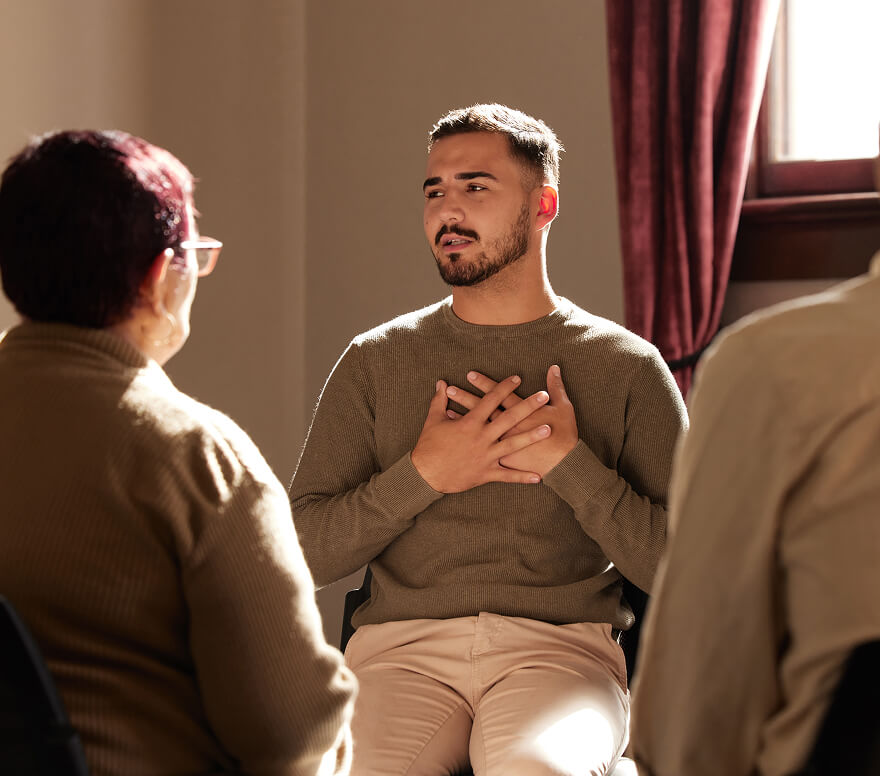
The Substance Abuse and Mental Health Services Administration (SAMHSA) defines recovery as “a process of change through which individuals improve their health and wellness, live a self-directed life, and strive to reach their full potential.” Community is one of the four dimensions SAMHSA identifies as supporting that process, described as “relationships and social networks that provide support, friendship, love, and hope.” SAMHSA also recognizes that mutual support and mutual aid groups “play an invaluable role in recovery.”
Isolation works against all of that. Early recovery often means stepping away from old friends and familiar places, and that gap can be hard to fill. An alumni program for addiction gives people somewhere to land, among others who understand the daily work of staying well because they’re doing it too.
Where Alumni Connect
Lighthouse peer support centers serve communities in Columbus and other Central Ohio locations. Each center gives alumni a local place to attend meetings, join activities and stay in touch with peers and staff.
Giving Back Through Lived Experience
Many people in recovery find that helping someone else is one of the best ways to protect their own progress. SAMHSA counts volunteerism among the meaningful daily activities that give recovery a sense of purpose. For alumni who want to turn their experience into a career, Lighthouse hires certified peer supporters and posts openings on our Careers page. In Ohio, the Ohio Department of Mental Health and Addiction Services (OhioMHAS) issues the Certified Peer Recovery Supporter credential; the department’s 40-hour peer recovery supporter training is one path to certification.
What Alumni Involvement Means for Families and Future Clients
For someone researching treatment, or for a family member helping a loved one choose a program, an active alumni community is a sign that care doesn’t stop at discharge. At Lighthouse, support continues after a program ends through outpatient care, recovery housing, peer support centers and a network of people who’ve been through the same work. Choosing a provider with that kind of follow-through can make the months after treatment feel a lot less uncertain.
Stay Connected With Lighthouse
If you’ve completed treatment at Lighthouse, reach out to reconnect with peer support, find a meeting or ask about continued care.
If you or someone you love is looking for addiction or mental health treatment in Ohio, our admissions team can help you find the right level of care and answer questions about life after treatment. Call (614) 334-6903 or fill out our contact form, and someone from our team will follow up.
Frequently Asked Questions
What should I do if I return to use after completing treatment?
Reach out rather than pull away. A return to use doesn’t erase the progress you’ve made. Lighthouse’s admissions team can talk through whether stepping back into a higher level of care makes sense.
Are 12-step meetings part of recovery support at Lighthouse?
Yes. Lighthouse peer support centers host AA and NA support meetings, and SAMHSA recognizes mutual support groups as an invaluable part of recovery. Not everyone connects with the 12-step model, so the centers also offer yoga and meditation, fitness programs and life skills building as other ways to stay engaged.
Can alumni become certified peer supporters?
Lived experience of recovery is the foundation of peer support work. Lighthouse employs certified peer supporters and lists open positions on its careers page. In Ohio, OhioMHAS issues the Certified Peer Recovery Supporter credential, and completing the department’s 40-hour peer recovery supporter training is one path to certification.
Where can I get help if I’m struggling with my mental health after addiction treatment?
Start with Lighthouse. We treat mental health alongside substance use, and our comprehensive mental health services are open to people after they finish an addiction program. Call (614) 334-6903 to talk with our team. In an emergency, call 911.


