
What To Bring to Rehab
Rehab Packing List
Deciding to start treatment is the hard part. Once that’s decided, the practical questions tend to follow close behind, starting with what goes in the bag for your stay. Knowing what to bring to rehab ahead of time means one less thing to worry about, for you or for the person helping you get there.
Below is a practical rundown of rehab essentials for intake at Lighthouse Behavioral Health Solutions, along with a few things to leave at home.
What To Pack
A little planning goes a long way here. The categories below cover what most people need for treatment, organized so you can check things off before you leave home.
Clothing and Footwear
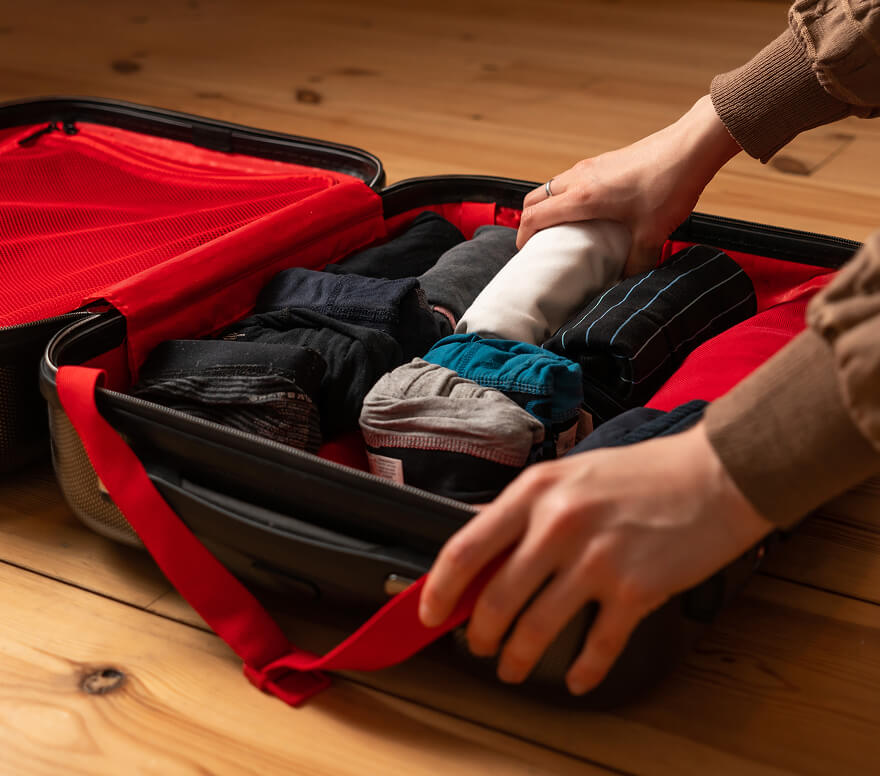
Pack enough for the length of your stay, plus a little extra. Comfortable, weather-appropriate pieces work best, since most of your day will be spent in sessions and downtime rather than anywhere formal. Bring a couple of pairs of shoes, including something you can wear in a shower or shared bathroom.
Toiletries and Personal Care
Lighthouse asks that personal care items arrive new and still sealed. That’s a standard intake safety step, not a judgment call about what you own. In our recovery housing program, personal care items also must be alcohol-free.
Medications
Bring any prescription medications in their original containers, with the label and dosing instructions attached, so our clinical team can confirm what you’re taking and manage it safely. If you’re in recovery housing, medications are kept in a provided lockbox, so you won’t need to bring your own storage for them.
Identification and Insurance Information
Bring a valid photo ID and your insurance card, or your Medicaid or Medicare information if that applies to you. Our admissions team verifies coverage as part of intake, and having these ready when you arrive helps that process move faster.
Comfort Items
A few personal touches, like a book, a journal, or photos of people who matter to you, can make a shared space feel more homey. If you’re entering recovery housing, you’re also welcome to bring your own bedding or a small comfort item like a pillow.
What To Leave at Home
This list is short, but it holds for every program at Lighthouse. Leaving these items at home avoids delays or complications at intake.
- Weapons of any kind
- Illegal substances or drug paraphernalia
- Any other item restricted by facility policy
If you’re not sure whether something falls into that last category, ask your admissions coordinator before you pack it. It’s a quick question that saves a conversation at intake.
Questions Before You Pack? Talk To Admissions
Every program at Lighthouse is a little different, and the specifics of your stay depend on the level of care you’re entering. Our admissions team can walk through what your first day looks like, from paperwork to packing, before you arrive. Give us a call at 614-334-6903 or fill out our online form.
Frequently Asked Questions
Can I bring my phone or other electronics?
Phone and device policies vary by program. Residential programs typically have structured limits early in treatment to support focus during that stage, while outpatient programs allow more flexibility. Your admissions coordinator will confirm the specifics for your program before you arrive.
Can I bring cash?
A small amount is fine to have with you, particularly if you’re entering our recovery housing program. You won’t need much, so there’s no reason to bring more than you’re comfortable carrying.
Can I smoke or vape during treatment?
Cigarette and vape breaks are allowed in designated areas at select Lighthouse facilities. Ask your admissions coordinator to confirm the policy for your specific location.
What if I forget to pack something?
It happens more often than you’d think. Let a staff member know once you’ve arrived. In many cases, they can help you arrange to get you what you need.
Is there a limit on how much I can bring?
Pack for the length of your stay without overdoing it. If you’re entering recovery housing, space is limited, so plan to bring what fits in one bag rather than a full suitcase.


